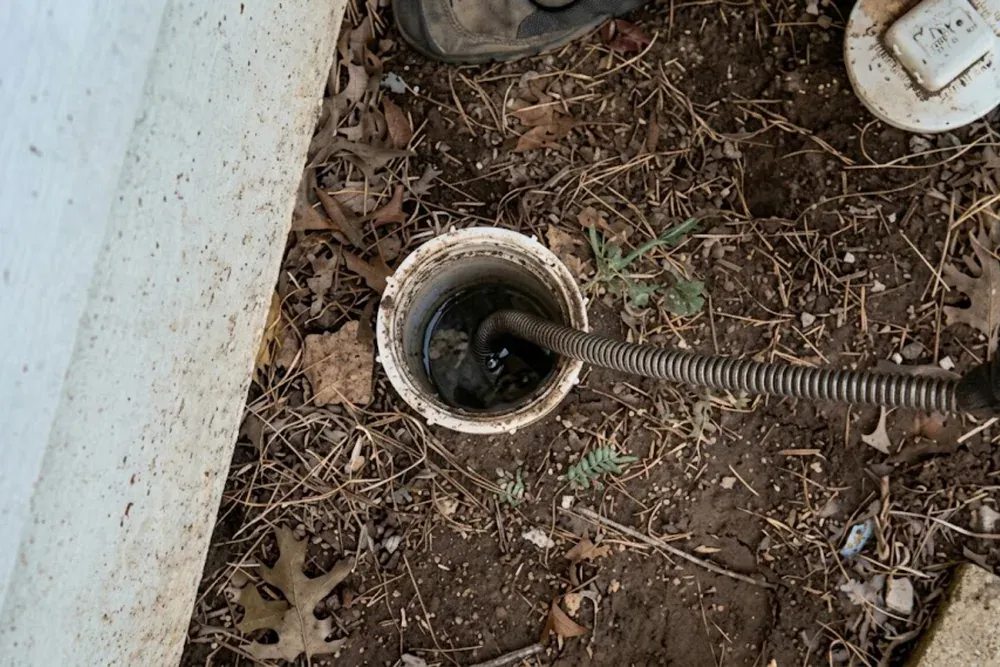
Does boiling water unclog a drain in Palisades Park, NJ? Sometimes. A kettle of near-boiling water can melt a thin film of grease or soap in a metal kitchen drain and carry it past the trap. It will not dissolve hair, a wad of paper towel, a toy, or roots, and it can damage some fixtures.
The short rule: try it only on a slow drain that smells greasy, only in metal pipe, and only once or twice. If the water still sits in the bowl after that, the clog is something else, and more heat will not move it.
When boiling water works and when it does not
Grease and soap scum are the two things heat can actually change. Cooking fat is liquid while hot, then turns back into a waxy solid a few feet down the pipe where the metal is cold. A slow pour of very hot water can push that wax further along before it sets again.
Hair, food scraps, and foreign objects are not affected by temperature. A hair clog in a bathroom sink or tub is a tangle that holds its shape in boiling water. Pouring it in only wastes time while the drain keeps backing up.
A good test is the smell and the location. A kitchen sink that drains slower each week and smells like old cooking oil is a grease candidate. A tub that fills around your ankles after every shower is almost always hair.
Where boiling water can cause damage
Heat is the risk here, not the water. Different drain materials tolerate it differently, and you often cannot see what is inside the wall.
Porcelain and ceramic
A toilet bowl or porcelain sink can crack from sudden heat. Never pour boiling water into a toilet.
PVC and plastic pipe
Plastic drain pipe softens under repeated hot water and can loosen at glued joints. Check the maker's temperature limits.
Old putty and seals
Sink strainer seals and tub drain gaskets can weaken with repeated heat and start to drip below the cabinet.
Standing water
If the sink is full of water, pouring more in only adds to the mess. Heat does not reach a clog through a foot of cold water.
Not sure what you are looking at?
Call the 24/7 line and a dispatcher will help you decide what to do next.
A safer way to try before you call
If the drain is slow rather than fully blocked, these steps cost almost nothing and protect your pipes.
- 1
Use hot, not boiling
Run the hot tap for a full minute. Hot tap water is usually enough to soften a thin grease layer without stressing plastic.
- 2
Add dish soap
Squeeze a generous spoonful of dish soap into the drain first. It helps break the grease apart so it rinses forward.
- 3
Use a plunger
Block the overflow opening with a wet cloth, then plunge with steady strokes. Pressure moves a soft clog better than heat does.
- 4
Try a hand drain tool
A plastic barbed strip pulls hair out of a bathroom drain. Pull slowly and wear gloves, it is not pleasant.
- 5
Stop at two attempts
If the water does not drop after two rounds, stop. Repeated pouring and chemicals can leave a hazard for whoever snakes the line next.
Boiling water vs. other approaches
Not every method fits every clog. This table compares the common choices.
| Method | Best for | Main risk |
|---|---|---|
| Near-boiling water | Thin grease film in a metal kitchen drain | Cracks porcelain, softens PVC joints |
| Plunger | Soft clogs close to the fixture | Splashing, weak seal on an overflow |
| Hand drain strip | Hair in a tub or bathroom sink | Pushes the tangle deeper if rushed |
| Cable machine (snake) | Hair, paper, solid blockages | Needs the right cable size and a trained hand |
| Hydro jetting | Heavy grease, scale, roots near the opening | Needs access and a camera check first |
A cable machine breaks through a clog. Jetting scrubs the pipe wall. If a line has clogged repeatedly, the second method is often the better long-term fix.
Signs the clog is deeper than the sink
Look at what else is happening in the house. If a toilet gurgles when you run the sink, or several fixtures slow down at once, the blockage is likely in a branch or main line, not in one trap. Kettles do not reach that far.
Water backing up in a floor drain or a basement tub when you run laundry is the same warning. Stop using water, because every gallon you add has nowhere to go. That is the point to call a licensed plumber, and drain cleaning with a cable or camera is usually the right first step.
For a line that clears and then clogs again within weeks, grease build-up or roots inside the pipe wall is the usual cause. A plumber may suggest hydro jetting after a camera check shows what the pipe really looks like.
Cleaning habits that help more than hot water
Wipe greasy pans with a paper towel and throw it in the trash. Use a mesh strainer in every sink and tub, and empty it into the bin. Those two habits do more than any monthly kettle of hot water.
Avoid liquid drain openers in a drain that is already standing full. They can sit on the clog, burn skin if you plunge, and are hard on older metal pipe.
Hard water in Palisades Park and what it does to drains
Palisades Park gets water from the Veolia Hackensack system. Veolia's 2025 water quality report lists a highest detected hardness of 210 ppm as calcium carbonate, which is in the very hard range, above 180 mg/L. Soap does not rinse cleanly in very hard water, and the film it leaves clings to pipe walls and catches hair.
In practice, a bathroom sink or tub in a borough home may clog with a sticky, gray tangle more than a loose pile of hair. Neighbors in Ridgefield and Cliffside Park were covered by the same Veolia advisory in 2022, so the same habits apply across the area. Do not count on boiling water to dissolve it. A strainer, regular use of a hair strip, and a professional cable pass when the drain slows are more reliable.
Common Questions
Brief contact is usually fine, but repeated boiling water can soften plastic and loosen glued joints. Hot tap water is a safer first move. Check the pipe maker's temperature guidance if you know what pipe you have.
No. A cold porcelain bowl can crack from a sudden temperature jump, and a cracked bowl needs replacing. Use a flange plunger instead, and call for help if the water keeps rising.
A weekly flush with hot tap water and a squirt of dish soap is plenty for most kitchens. Boiling water is not a maintenance habit. Catching grease at the pan matters more.
A fast return usually means a partial blockage is still in the pipe, or grease and scale are narrowing it. A camera inspection shows which. A plumber can then pick between a cable, a jetting pass, or a repair.
It can contribute. Very hard water reacts with soap to form scum that sticks to pipe walls and traps hair. That is a slow build-up, so a regular drain strainer and occasional flushes help more than harsh chemicals.
Call when more than one fixture is slow, when water backs up in a floor drain, when you smell sewage, or when two rounds of plunging fail. Keep water use low until help arrives.
Licensing and permits
Under New Jersey plumbing licensing standards, plumbing work is limited to licensed master plumbers, authorized plumbing contractors and their employees. You can check any plumber through the NJ Division of Consumer Affairs, State Board of Examiners of Master Plumbers. Palisades Park also publishes permit and inspection details on the borough website.