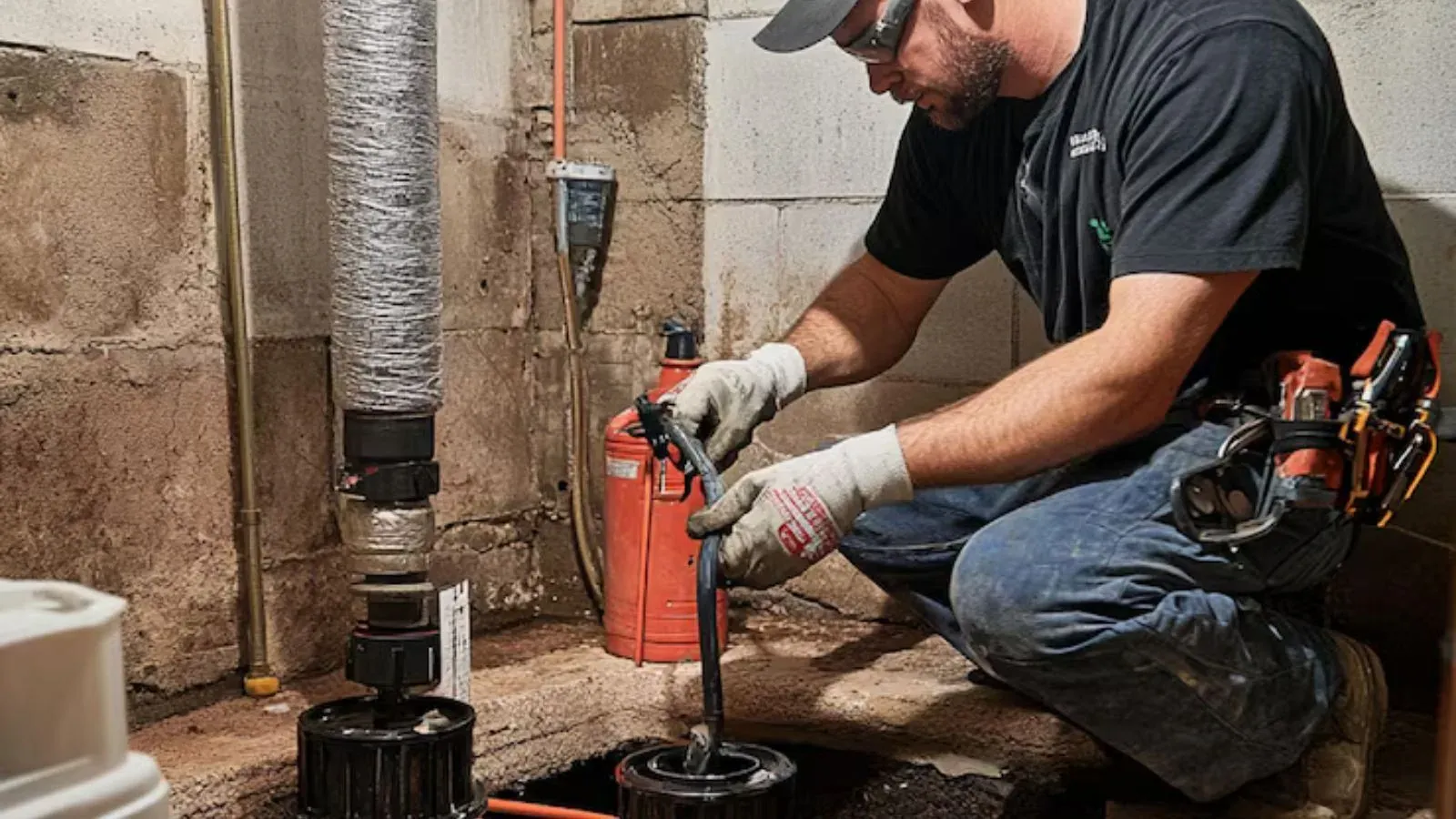
Waterproof basement cost in Palisades Park, NJ is driven by the method, the source of the water, the size of the area, and how hard the work is to reach. Sealing a hairline crack is a small job. Installing an interior drain system with a sump pump, or digging out a foundation wall, is a major one.
We do not publish price figures for jobs that depend on what is behind your walls. This page explains the cost factors so you can compare proposals fairly.
Start with where the water comes from
The most expensive mistake in waterproofing is paying for the wrong fix. Water can enter through cracks, the joint where the floor meets the wall, a failing window well, or a plumbing leak that has nothing to do with the foundation. Each source calls for a different repair.
Before any quote makes sense, the source needs to be identified. A plumbing leak, for example, may be found with basement waterproofing evaluation steps like moisture readings and a water meter check, and costs far less than a drainage system you did not need.
Common waterproofing methods and how they compare
This table lists the usual approaches in order from least to most involved. The cost column is relative, not a quote.
| Method | Best for | Relative cost |
|---|---|---|
| Crack and joint sealing | Isolated seepage through a visible crack | Low |
| Surface sealers and coatings | Damp walls with minor moisture | Low |
| Gutter and grading fixes | Water arriving from the roof or yard | Low to moderate |
| Interior drain channel and sump | Water entering at the floor and wall joint | Moderate to high |
| Sump pump replacement or addition | Existing pit that is failing or too small | Moderate |
| Exterior excavation and membrane | Wall failure from outside pressure | High |
Many basements need a combination, such as sealing plus a pump. A good proposal explains why each item is there.
Not sure what you are looking at?
Call the 24/7 line and a dispatcher will help you decide what to do next.
The factors that move the price
Ask any contractor how each of these applies to your basement.
Linear feet of wall or floor joint
Interior drain systems are priced by length. A bigger perimeter means more cutting, more pipe, and more concrete.
Foundation type
Poured concrete, block, and old stone foundations behave differently. Block walls hold water in their cores and may need extra drilling.
Finished versus unfinished space
Paneling, drywall, and flooring have to be removed or protected, then put back.
Access and site constraints
Tight side yards and attached neighbors make exterior work harder and more expensive.
Pump, battery backup, and discharge
A second pump, a battery backup, or a longer discharge line add cost but improve protection.
Permits and inspection
Plumbing work tied to the system may need a permit. Ask early.
Why basement water shows up after storms
Heavy rain loads the soil around a foundation with water. That water pushes against the wall and rises with the water table, which is why leaks often appear along the floor edge during or after storms. Gutters that dump water at the base of the wall make the situation worse.
Fixing downspouts and grading is the cheapest step. It will not stop every problem, but it is worth doing before you commit to a larger system, since it reduces how hard the new system has to work.
Signs your basement needs more than a coat of sealer
Water pooling at the floor edge
This points to hydrostatic pressure, not simple dampness.
White chalky deposits
Called efflorescence. It shows moisture is moving through masonry.
Horizontal cracks in block walls
These can mean soil pressure is pushing the wall. A structural opinion is wise.
Musty smell and mold spots
Ongoing moisture. Air quality and stored items are at risk.
Sump pump that runs constantly
The pit may be undersized or a pump is failing. See our sump pump service.
What a fair estimate looks like
Use this as a checklist when comparing written proposals.
- 1
A site visit
Nobody can price this from a phone description. The inspector should look inside and outside.
- 2
A named cause
The proposal should say where the water enters and why.
- 3
Itemized scope
Drain length, pump model, discharge location, and restoration should be listed.
- 4
Clear price before work starts
Changes should require your approval in advance.
- 5
Warranty terms in writing
Read what is covered, for how long, and what voids it.
Low-risk steps you can take now
Clean the gutters, extend downspouts several feet from the wall, and make sure soil near the foundation slopes away from the house. Lift stored boxes off the floor and run a dehumidifier to control humidity.
Do not wade into standing water if the floor outlets, panel, or appliances are nearby. Electrical shock is a real danger in a wet basement. Turn off power at the breaker only if you can reach it dry, and call for help if you cannot.
Nearby flood-prone areas and what they teach
Ridgefield sits about 10 feet above sea level on part of the Hackensack River flood plain, so basement water there often has a different cause than higher ground. Ridgefield Park has a combined sewer system that can overflow in heavy rain. Palisades Park homeowners near those borders should ask whether groundwater, sewer backup, or roof runoff is the real issue before paying for a fix.
Palisades Park housing and permits: what to know
Palisades Park was incorporated in 1899 and counted 7,668 housing units in the 2020 census, so many basements here sit under older construction. Older foundations tend to have more joints, cracks, and past patches to inspect before anyone quotes a system.
On the permit side, the borough Building Department says plumbing permit fees depend on the number of fixtures and appliances, and plumbing inspections run Tuesday and Thursday mornings. Permit rules vary, so ask the Palisades Park Building Department whether pump or drain work on your basement needs one.
Common Questions
There is no fair single number. Price depends on the method, wall length, foundation type, finish level, and pump needs. A site visit and a written, itemized scope are the only reliable way to get a real figure.
Surface sealers can help with minor dampness. They usually do not stop water pushing through under pressure. If water pools at the floor edge, a drain and pump system is the better fit.
Interior drainage generally needs somewhere for the water to go, which is often a sump pit and pump. If water only seeps in at one crack, a pump may not be needed.
Policies differ. Many do not cover groundwater seepage but may cover sudden pipe or pump failures. Ask your insurer before work and keep documents.
Sealing can be done in a day. Interior drain and pump installs take longer, and exterior excavation longer still. Weather and access can change the schedule.
Not always, but older foundations often have more joints, cracks, and earlier repairs. We check the source first, since a plumbing leak can look like a foundation problem.
Licensing and permits
Under New Jersey plumbing licensing standards, plumbing work is limited to licensed master plumbers, authorized plumbing contractors and their employees. You can check any plumber through the NJ Division of Consumer Affairs, State Board of Examiners of Master Plumbers. Palisades Park also publishes permit and inspection details on the borough website.